THE MATHS
85 ways, 13 balanced
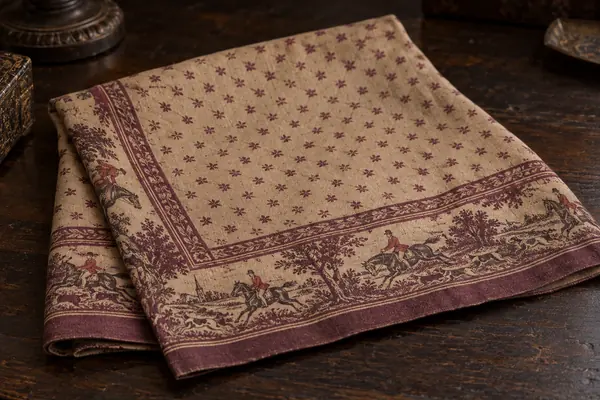
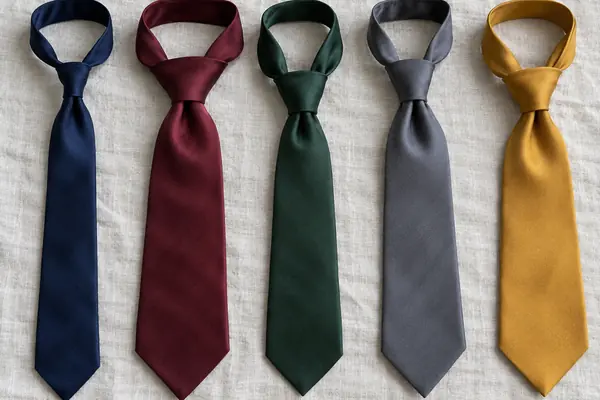
Thomas Fink and Yong Mao counted 85 ways to tie a necktie. Judged on symmetry and balance, only 13 made the cut.
Count the knotsTHE STORY AND THE MATHS
Most people know one tie knot. Mathematicians found many more.
In 1999 two physicists at Cambridge's Cavendish Laboratory treated the tie knot as a sequence of moves and counted every one. Behind the knot sits a longer story, reaching back to soldiers' scarves in the 1600s.

THREE MOVES is all it takes
THE SHORT ANSWER
A count from 1999, a recount from 2014,
and a word that came from the battlefield.
THE MATHS
Thomas Fink and Yong Mao counted 85 ways to tie a necktie. Judged on symmetry and balance, only 13 made the cut.
Count the knotsTHE HISTORY
The word cravat appears in French in the early 1600s, describing the neck scarves of Croatian mercenaries in the Thirty Years' War.
Read the storyTHE KNOT
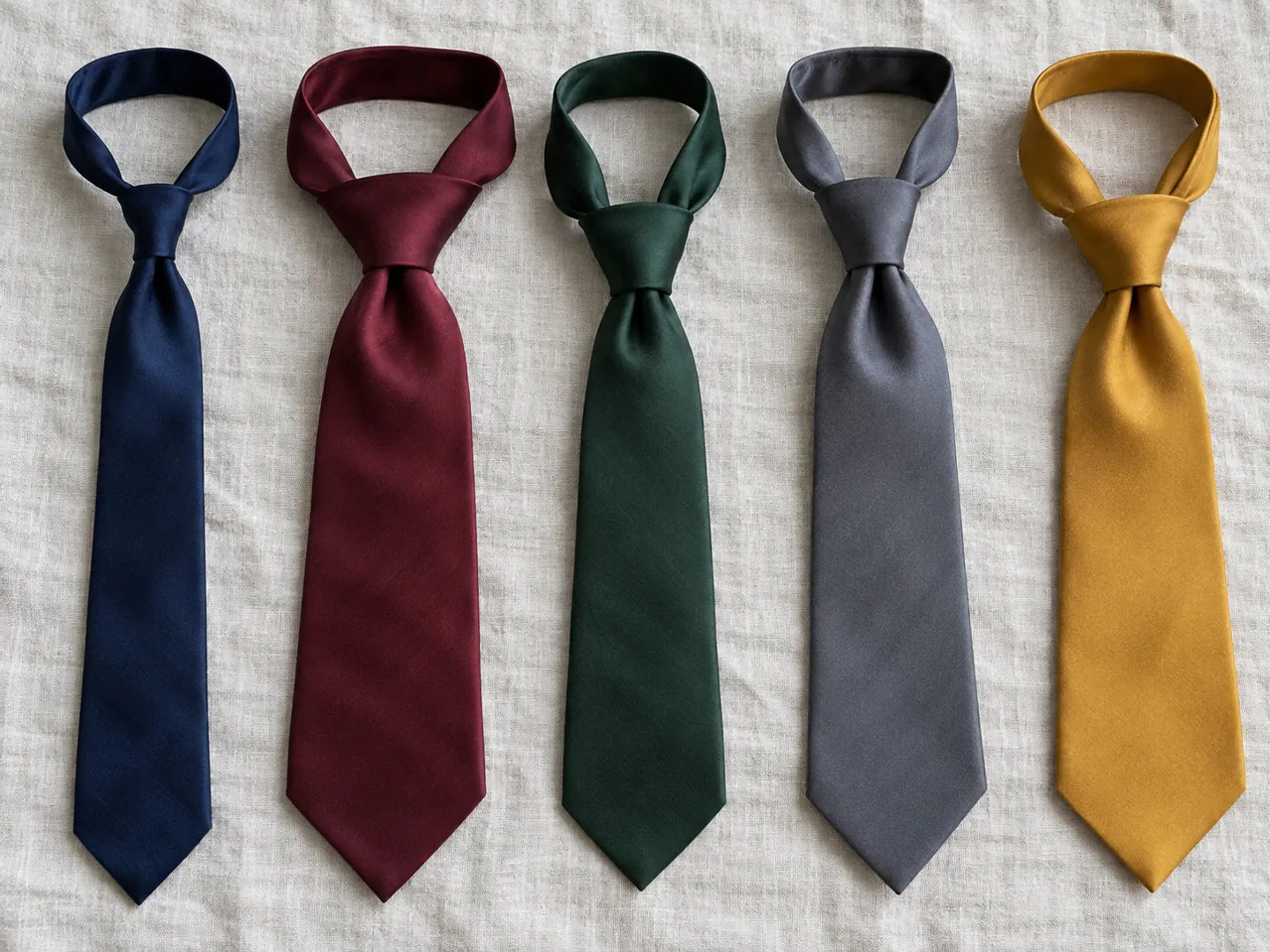
The four-in-hand, Windsor, half-Windsor and Pratt are the traditional four. The Pratt only arrived in 1989.
Tie oneA QUICK COUNT
Pick a question to see the number researchers came up with. The bar shows roughly how large each number is compared with the others.
Figures from Fink and Mao (Nature, 1999) as reported by Physics World and Plus Magazine, and from Mikael Vejdemo-Johansson's 2014 recount as reported by Smithsonian Magazine.
TWO NUMBERS WORTH KNOWING
Same tie, different rules.
Change the assumptions and the count explodes.
85
Ways to tie a necktie, Fink and Mao
Published in Nature in 1999. Their rule: each move can only be followed by one of two alternatives, so after a move to the right the next must go left or to the centre. The tuck came only at the end, with a limit of 8 windings.
CAMBRIDGE · 1999
177,147
Ways to tie a necktie, revised count
Mikael Vejdemo-Johansson dropped the assumptions that a tuck only comes at the end and that knots sit on a flat stretch of fabric, and raised the winding limit to 11.
KTH STOCKHOLM · 2014
The recount was reportedly inspired by the elaborate tie knots in the film The Matrix Reloaded. Plus Magazine noted that only one new tie knot had appeared in the 50 years before the 1999 study.
THE FOUR-IN-HAND, STEP BY STEP
The four-in-hand is one of the knots the Cambridge study rated aesthetic. This is the common way to tie it, standing in front of a mirror.
Drape the tie with the wide end on your left, hanging about 12 inches below the narrow end.
Cross the wide end over the narrow end, wrap it behind, then bring it back across the front.
Pull the wide end up through the loop around your neck, then down through the front loop you just made.
Slide the knot up by pulling the narrow end. Ideally the tip of the tie should touch your belt buckle.
WHERE THE TIE CAME FROM
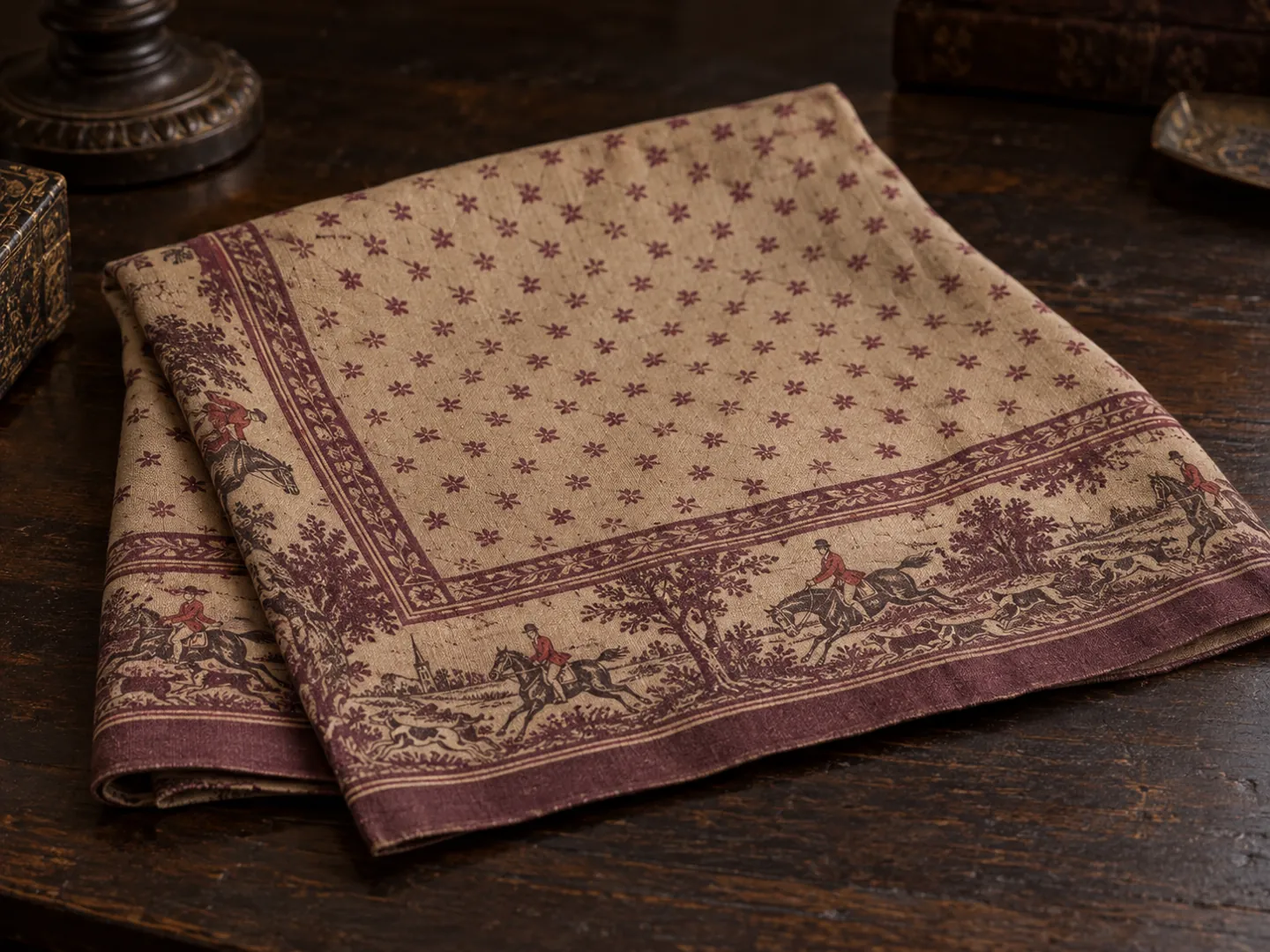
Croatian soldiers in the Thirty Years' War wore red neck scarves of cotton or silk. The French army recruited Croats into regiments later named the Royal Cravates, and King Louis XIV brought the cravat into French fashion, from where it spread across Europe.
In Victorian England the neckcloth, a large square folded diagonally, folded again and tied in a precise knot, was essential to a gentleman's dress. The term fell out of use around the mid-19th century, and the rise of bourgeois society brought the necktie we know.
Questions
It depends on the rules. Fink and Mao counted 85 in 1999. A 2014 recount that allowed tucks in the middle of a knot and up to 11 windings found 177,147.
Plus Magazine lists four traditional knots: the four-in-hand, the Windsor, the half-Windsor and the Pratt. The Pratt was introduced on the cover of the New York Times in 1989.
Apparently not, according to the Fink and Mao book as reviewed by Physics World.
The word comes from the French cravate, first used in the early 1600s for the scarves of Croatian mercenaries. German Krawatte, Spanish corbata and Italian cravatta keep the link.
A common guideline is that the tip of the tie should touch your belt buckle. Adjust the length by pulling the narrow end before you tighten the knot.
Sources
ABOUT THIS NAME
doodletie.com is part of the DoodleSale portfolio. It isn't in an auction right now, but you can ask about leasing it.